
As an important equipment in food processing industry, industrial peanut butter machine is widely used in the production of peanut butter, sesame sauce and other foods. Although it is powerful and efficient, there are some maintenance difficulties in daily use, which need to be paid attention to. The following are the main difficulties and suggestions in the maintenance of peanut butter machine:
1. Thorough Cleaning: The Cornerstone of Safety and Performance
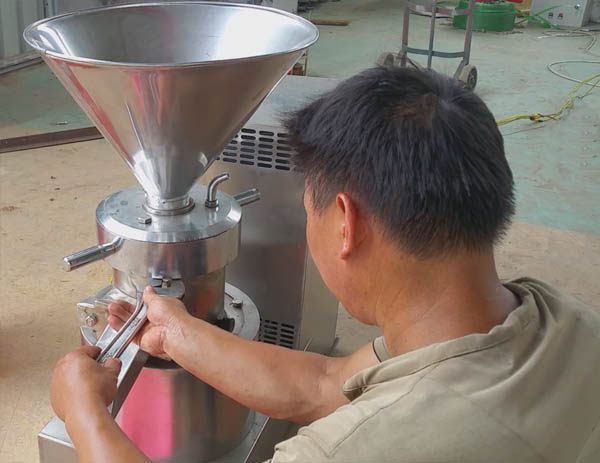
Comprehensive cleaning of peanut butter grinders is the most critical and frequent maintenance task. Processing high-fat, granular materials during operation leads to stubborn grease and paste buildup in grinding chambers, blades, and discharge ports. These accumulations not only foster bacterial growth, posing food hygiene risks, but also gradually reduces machine efficiency and can alter product taste.
- Challenge: Complex internal grinding components feature hard-to-reach areas. Using harsh chemicals or improper disassembly may damage precision parts.
- Professional Solution: Implement rigorous cleaning protocols. After each production run, perform preliminary cleaning with warm water and food-grade detergent to remove bulk residues. For deep cleaning of commercial peanut butter machines, disassemble components periodically using specialized non-abrasive cleaners. Ensure all parts are completely dry before reassembly to prevent rust. This step is critical for preventing cross-contamination during food processing.
2. Managing Wear on Critical Grinding Components
The core components of peanut butter machine are grinding discs or grinding heads, which are prone to wear under high-intensity work. Once the wear is serious, it will not only affect the processing effect, but also lead to equipment failure. In order to prolong the service life of the equipment, the abrasion of the grinding disc should be checked regularly and replaced in time if necessary. At the same time, accessories made of wear-resistant materials can be selected to reduce the wear rate.
3. Ensuring Optimal Lubrication Under Operational Stress
The operation of peanut butter machine needs good lubrication, but because the equipment will generate a lot of heat during operation, the lubricating oil is easy to volatilize or fail, which leads to the increase of friction between parts. It is recommended to check the lubrication system regularly and add or replace suitable lubricating oil. In addition, avoid long-term continuous operation of equipment to reduce heat accumulation.
4. Preventing Motor and Drive System Failures
The motor and transmission system are important parts of peanut butter machine, and their stability directly affects the normal operation of the equipment. However, these components are prone to failure due to overload or long-term operation. Therefore, the use time of equipment should be arranged reasonably to avoid overload operation, and the motor and transmission system should be overhauled regularly to ensure that they are in good condition.
5. Eliminating Problems Caused by Operational Errors
Some users lack professional knowledge when operating peanut butter machine, which may lead to equipment damage due to improper operation. For example, the raw materials are not treated according to the instructions or the preheating and cooling steps of the equipment are ignored. Therefore, strengthening operation training and improving the professional level of staff are important measures to reduce maintenance difficulties.
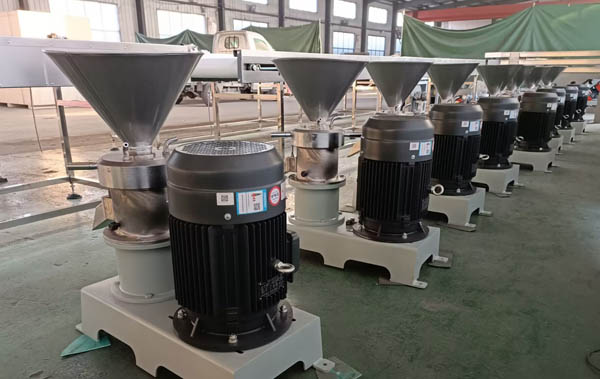
Proactive and knowledgeable maintenance is not an expense but a strategic investment for any business using food processing machinery. Core challenges such as peanut butter machine cleaning, component wear, lubrication, motor upkeep, and proper operation can all be effectively managed through systematic planning. Prioritizing these areas significantly extends equipment lifespan, maximizes production efficiency, safeguards product quality, and ensures safer, more efficient food processing operations.