
Peanut machinery—including peanut harvesters, shellers, sorters, and cleaning equipment—plays a vital role in modern agriculture. However, wet and humid conditions pose serious risks to these machines, often leading to rust, electrical failures, performance loss, and costly repairs. Without proper maintenance, moisture can damage critical components, shorten equipment lifespan, and reduce operational efficiency.
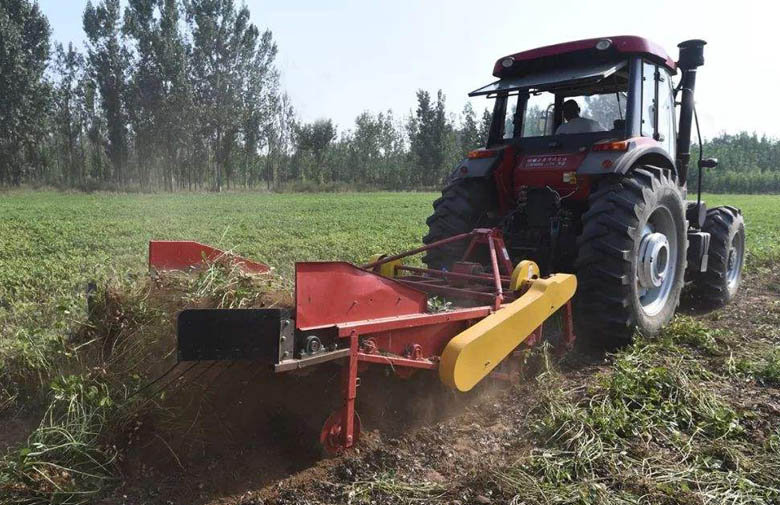
Implementing a structured maintenance plan helps safeguard your investment and ensures reliable performance throughout peanut harvesting and processing seasons.
How to Protect Your Peanut Machinery in Wet Weather
1. Check the mechanical equipment regularly
In wet weather, the metal parts of peanut machinery are easy to rust, so it is necessary to check the key parts of the equipment regularly, such as bearings, transmission chains and gears. If rust is found, it should be cleaned in time and coated with antirust oil or lubricating oil to reduce corrosion and wear.
2. Store the machinery properly
When peanut machinery is not used, it should be stored in a dry and ventilated place. If conditions permit, the machinery can be covered with a damp-proof cloth or a waterproof cover to prevent rain and moisture from directly contacting the equipment. At the same time, ensure that there is no water in the storage environment and the ground is dry.
3. Strengthen the protection of electrical parts
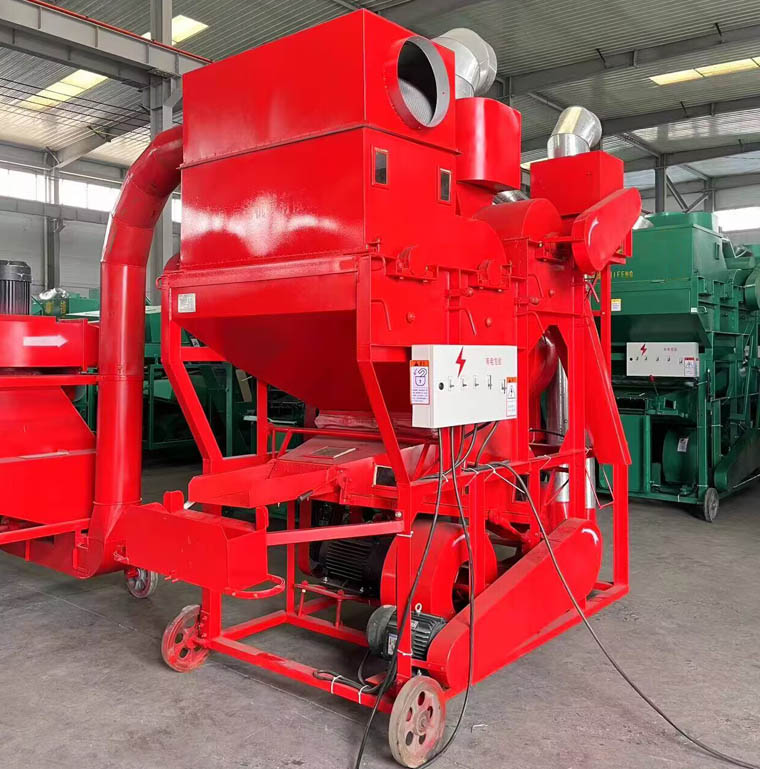
Peanut machinery is usually equipped with an electrical control system, which is easy to cause short circuit or damage in wet weather. Therefore, check whether the wire connector is firm and whether the electric cabinet is well sealed. If the electrical part is found to be damp, it should be wiped clean with a dry cloth in time and dried with a hair dryer or other tools.
4. Pay attention to lubrication and cleaning
Wet weather will make it easier for mechanical parts to stick to dirt or impurities, which may accelerate the wear of parts. Therefore, after each use, the surface and internal parts of the machine should be cleaned in time, and lubricating oil should be added regularly to ensure the smooth operation of the equipment.
5. Do a good job of prevention in advance
Before entering the wet season, do a good job of comprehensive inspection and maintenance of peanut machinery. For example, a layer of rust inhibitor can be applied to the metal surface, or a protective film can be added to key components. In addition, it is suggested to prepare necessary moisture-proof tools, such as desiccant and moistureproof box, to cope with emergencies at any time.
Why This Matters for Peanut Farmers
Peanut farming relies heavily on efficient machinery—from digging and harvesting to drying and shelling. Well-maintained equipment improves yield quality, reduces downtime, and increases return on investment. Integrating these practices not only extends machinery lifespan but also supports sustainable farming operations.
Final Recommendations
- Use moisture sensors in storage areas to monitor humidity levels.
- Keep spare parts like seals, gaskets, and drive belts in dry inventory.
- Consult your peanut machinery manufacturer for weather-specific maintenance advice.
By following these guidelines, you can significantly reduce weather-related damage, enhance the durability of your peanut processing equipment, and maintain high productivity—no matter the forecast.