
The Hazards of Overloading a Peanut Shelling Machine
Peanut shelling machines are vital agricultural equipment designed to efficiently separate peanut kernels from shells. However, overloading the machine beyond its recommended capacity can lead to serious operational, economic, and safety issues. Below, we discuss the primary hazards of overloading and provide practical tips to maximize the performance and lifespan of your peanut sheller machine.
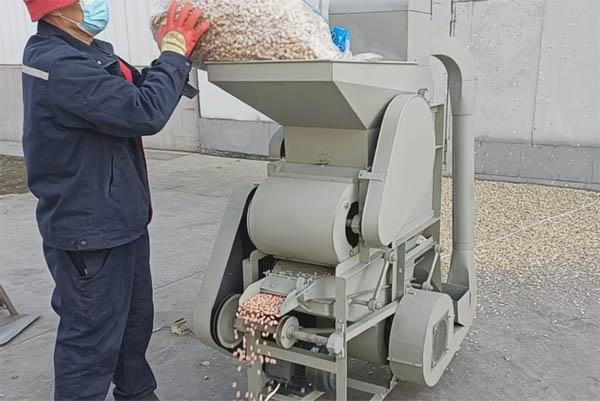
Firstly, overloading accelerates machine wear. The various components of a peanut shelling machine, such as the shelling roller and screen, operate within their designed load range. Prolonged overloading will subject these components to excessive pressure, leading to accelerated wear and a significantly shortened lifespan. This not only increases the frequency of maintenance and parts replacement but also raises agricultural production costs.
Secondly, overloading can cause machine malfunctions and even safety hazards. When a peanut shelling machine is overloaded, components such as the motor and circuitry are prone to overheating, potentially causing short circuits or motor burnout. Furthermore, unstable machine operation can lead to loose or detached parts, and in severe cases, even accidents that could injure operators.
Thirdly, overloading the machine will affect shelling efficiency and quality. When the machine operates within its designed load range, it can ensure efficient and complete peanut shelling. However, when the load is too high, the machine may be unable to properly separate the peanut kernels from their shells, resulting in incomplete shelling or damage to the peanut kernels, thus affecting the quality of the final product.
How to Prevent Overloading Your Peanut Shelling Machine
To ensure safe, efficient, and economical operation:
1. Follow Manufacturer Guidelines
- Strictly adhere to the recommended load capacity specified in the user manual.
- Where feasible, utilize an automatic feeding system to maintain a consistent feed rate.
2. Perform Regular Maintenance
- Inspect the shelling rollers, screens, and motor before each use.
- Lubricate moving parts as directed to reduce friction and wear.
- Replace worn components promptly to prevent secondary damage.
3. Monitor machine performance
- Watch for unusual noises or vibrations during operation.
- Immediately stop the machine if overload or malfunction is suspected.
- Train operators to recognize signs of excessive load and take appropriate action.
4. Optimize peanut processing
- Ensure peanuts are clean, dry, and free of debris before shelling.
- If your peanut sheller supports adjustable settings, pre-sort peanuts by size to enhance efficiency.
In conclusion, proper use of peanut shelling machine can not only extend its service life but also improve work efficiency and product quality, thereby bringing greater economic benefits to agricultural production. Avoiding overload work is an important prerequisite to ensure the safe and stable operation of the machine, and every user should pay enough attention to it.
Whether you are a small-scale farmer or an industrial processor, choosing the right peanut shelling machine—and using it correctly—will deliver better returns and smoother operations.