
Uneven product output from a peanut chopper machine is a common issue in food processing, affecting texture, consistency, and overall product quality. Whether you’re using a small peanut cutting machine for home purposes or a high-capacity industrial nut chopper for commercial production, understanding the root causes can help you achieve better results.
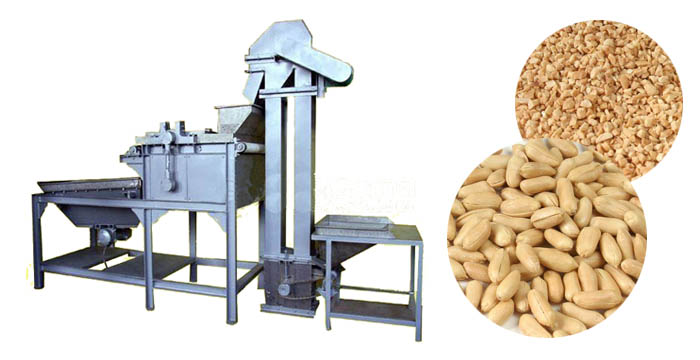
1. Improper selection of equipment model
Problems may also occur if the chopper model number used is not suitable for processing peanuts. For example, small equipment may not be able to handle a large amount of raw materials, while large equipment may not be effective for small batch processing. Before purchasing, consider your production volume, peanut variety, and desired output size to select a commercial peanut chopper that matches your requirements.
2. Equipment blade problem
Blade is one of the core components of peanut cutting machine. If the blade is passivated, worn or improperly installed, it may lead to uneven size of processed peanuts. It is recommended to check the sharpness of the blade regularly, and replace it or readjust the blade installation angle if necessary.
3. Raw material problem
The size and water content of peanuts will also affect the processing effect. If the particle size of peanuts varies greatly, or the water content is uneven, uneven cutting may occur when chopping. Therefore, before processing, peanuts can be screened to ensure the consistency of raw material specifications. If peanuts are too dry or too wet, some measures can be taken to improve them.
4. Operational issue
Improper operation methods may also lead to uneven processing. For example, too fast or too slow feeding speed will affect the processing effect. It is suggested to adjust the feeding speed and operation mode according to the suggestions in the equipment manual. In addition, ensure that the equipment is stable during operation, so as to avoid affecting the processing quality due to vibration or inclination.
5. Parameter setting
Many modern peanut choppers support parameter adjustment. If the parameters are set improperly, such as too high or too low blade speed, the processing effect will also be affected. Equipment parameters can be adjusted step by step according to the actual demand until the ideal processing effect is achieved.
6. Cleaning and Maintenance
If the equipment is not cleaned regularly, residue may accumulate, affecting the cutting performance of the blade and the uniformity of the product. Clean your peanut processing equipment after every use, and schedule periodic deep cleaning and lubrication of moving parts. This not only ensures uniform cuts but also extends your machine’s lifespan.
7. Mechanical Wear and Tear
Over time, components such as bearings, motors, and drives can wear down, leading to reduced efficiency. Implement a routine maintenance schedule and replace worn parts promptly to keep your industrial nut chopper running smoothly.
The uneven product of peanut chopping machine is usually the result of many reasons. By selecting suitable equipment, replacing the blade regularly, selecting high-quality raw materials, standardizing operation, setting parameters reasonably and cleaning and maintaining equipment regularly, the processing effect can be effectively improved. If the problem cannot be solved by the above methods, it is recommended to contact the equipment manufacturer for professional maintenance.
Looking for a reliable peanut cutting machine? Choose models with easy-adjust blades, robust motors, and clear operational controls to ensure consistent results batch after batch.