
The screen of peanut sieving machine is a very important part of the equipment, and its main function is to classify peanuts according to their size to meet the needs of different processing or sales.During continuous operation, however, the screen may become worn, blocked, or damaged. These issues can reduce the performance of the peanut grading machine, leading to inaccurate classification and lower processing efficiency. Therefore, timely replacement of the screen is the key to ensure the normal operation of the equipment.
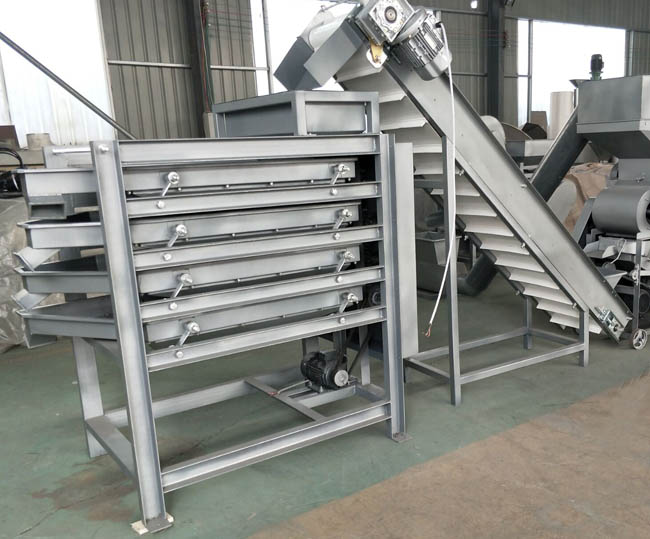
The peanut sieving machine screen needs to be replaced in several situations:
1. The screen is badly worn.
After long-term use, the screen surface may be enlarged or deformed due to friction. This will lead to a decline in screening effect, and peanuts cannot be classified according to the expected specifications. If it is found that the aperture of the screen is uneven or damaged, it should be replaced in time.
2. The screen is blocked.
During use, peanut shells, dirt or other impurities may block the screen holes. This will not only reduce the classification efficiency, but also affect the normal operation of the equipment. If it is still unable to return to normal state after cleaning, the screen needs to be replaced.
3. The screen is broken.
After long-term use, the screen material may have cracks or holes, which will directly affect the classification effect. Especially when dealing with materials with high hardness, the broken screen may further expand the damage range, so it should be replaced in time.
4. The grading effect is declining.
If it is found that the grading effect of peanut sieving machine is obviously reduced, and the possibility of other mechanical failures is ruled out, it is probably because the aperture of the screen is not up to the standard. At this time, it is also necessary to consider replacing the screen.
Matters needing attention in replacing peanut sieving machine screen.
1. Select the appropriate screen material and aperture.
According to the specifications and grading requirements of peanuts, select the appropriate screen aperture and material. High-quality stainless steel screen has better wear resistance and longer service life.
2. Regular inspection and maintenance.
In daily use, the wear of the screen should be checked regularly, and the impurities attached to the screen should be cleaned in time to prolong its service life.
3. Install it correctly.
When replacing the screen, make sure it is firmly installed to avoid affecting the operation of the equipment due to looseness.
The screen is the core working component of a peanut sieving machine, directly determining grading accuracy and production efficiency. Signs such as excessive wear, blockage, broken mesh, or declining screening performance indicate that replacement is necessary. By selecting high-quality screens, performing routine maintenance, and replacing worn parts promptly, operators can ensure stable operation, improve product quality, and maximize the return on investment of their peanut grading machine and peanut processing equipment.