
When operating peanut butter machines, it’s common to encounter finished products that are too dry, crumbly, or lacking the smooth, spreadable texture expected of high-quality peanut butter. This isn’t just a cosmetic flaw—it directly affects taste, shelf life, and consumer acceptance. In industrial peanut butter production lines, dryness indicates underlying process inefficiencies, which can often be traced back to raw material handling, equipment settings, or temperature conditions.
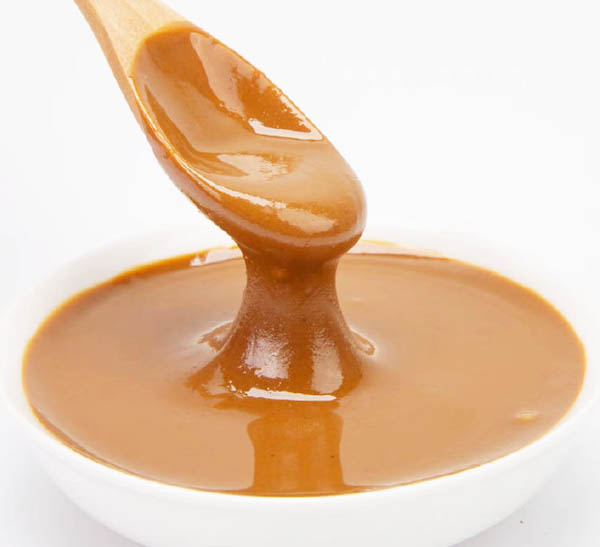
Below, we’ll analyze the root causes of dry peanut butter and provide practical, technology-based solutions—whether you’re using a small grinder or a fully automated peanut butter production line.
1. Under-roasted peanuts
Peanuts need to be fully roasted before grinding. If the roasting is not thorough (typically 160–180°C for 15–25 minutes, depending on batch size) , the oil in peanuts can’t be completely released, which leads to the dry texture of peanut butter. The solution is to ensure that peanuts are roasted evenly until golden brown, and be careful not to over-roast them to avoid burning smell.
2. Insufficient grinding
The grinding process directly affects the fineness of peanut butter. If the grinding effect of the peanut butter machine is not ideal, it may lead to a heavy graininess and the oil cannot be fully released. You can try to adjust the grinding settings of the machine, or repeat grinding several times to improve the fineness.
3. Peanut variety or freshness
Different varieties of peanuts have different oil content, and freshness will also affect the final texture. Peanuts with low oil content or stale peanuts may cause peanut butter to be drier. It is suggested to choose fresh peanuts with high oil content, which can improve the lubricating feeling of peanut butter.
4. Machine limitations
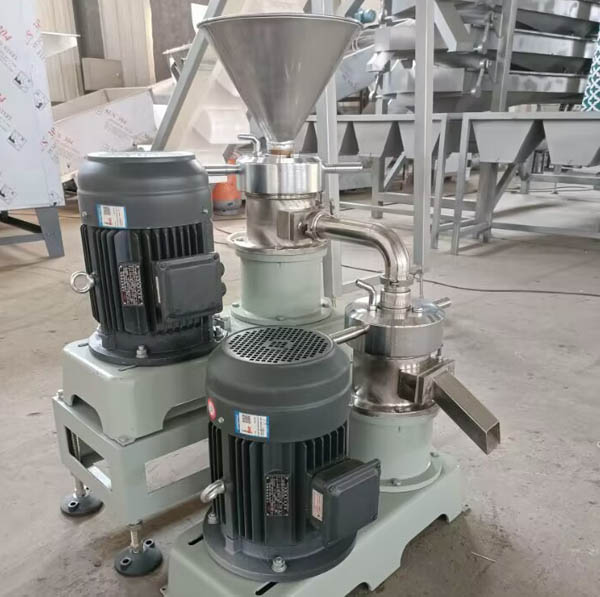
Different types of peanut butter machines have great differences in performance. Some small-scale home-used peanut butter machines may not be able to completely release the oil in peanuts, resulting in dry finished products. If conditions permit, you can choose a professional-grade peanut butter machine to obtain better processing effect. In addition, if the blade of the machine is worn or the speed of the equipment itself is insufficient, peanuts may not be fully ground, thus affecting the texture of peanut butter.
5. The temperature is too low
Temperature also has a certain effect on the texture of peanut butter. In low temperature environment, the oil in peanut is more difficult to release, which leads to peanut butter being dry. You can try to operate in a warmer environment or heat the machine properly during grinding.
Systematic Troubleshooting Workflow for Your Peanut Butter Production Line
| Step | Checkpoint | Target Value / Condition |
|---|---|---|
| 1 | Raw peanut moisture | 1.5–2.5% after roasting |
| 2 | Roasting temperature profile | 160–180°C, even browning |
| 3 | Grinding gap (colloid mill) | 0.8–1.2 mm for first pass; 0.3–0.5 mm for second |
| 4 | Motor load (amps) | Within ±5% of nameplate rating |
| 5 | Grinding chamber temperature | 40–50°C steady-state |
| 6 | Finished particle size (micrometer) | ≤ 25 μm (smooth palate feel) |
| 7 | Oil content (by hexane extraction) | 46–50% (wet basis) |
Expert Recommendations
Dry peanut butter is rarely due to a single failure—it’s a cascade of suboptimal roasting, insufficient shearing, and poor thermal management. For small-batch producers, upgrading to a colloid-type peanut butter machine equipped with variable gap control can immediately improve texture. For commercial users, reviewing your peanut butter production line using the checklist above can reduce rework rates by 30% to 50% and significantly improve product consistency.
Remember: The goal is not just to grind, but to release the oil and coat the solid particles—which requires precise control of heat, mechanical energy, and materials science. By implementing these technical adjustments, your peanut butter will transform from dry and coarse to smooth and creamy, batch after batch.