
The peanut sieving machine—also known as a peanut grading equipment or peanut sorting machine—has become an indispensable part of modern agricultural processing. They can automatically grade peanuts based on size, shape, and sometimes even density, thereby significantly increasing output and reducing manual labor. However, a common concern among processors and buyers is whether mechanical screening affects the integrity of the peanut kernels. This paper will discuss this issue.
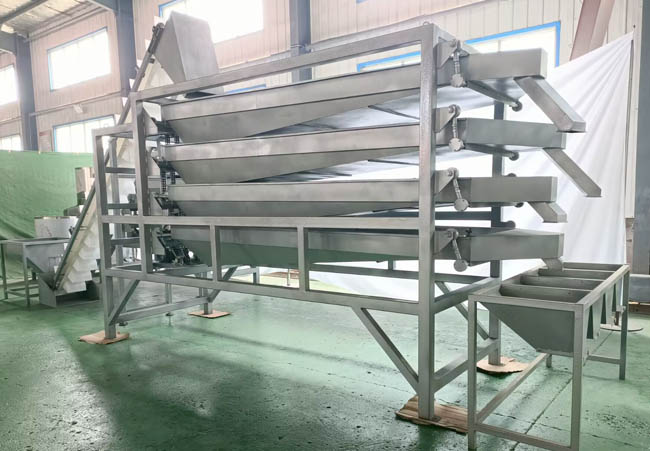
Understanding the Working Principles of Peanut Sieving Equipment
First of all, it needs to be clear that the original intention of the peanut sieving machine is to classify peanuts efficiently while minimizing the damage to peanuts. Most modern peanut sieving machines adopt advanced technologies such as roller screen, vibrating screen or airflow screen, and realize mild treatment of peanuts by accurately controlling the size of screen holes and the running speed of equipment. As long as the machine is operated properly, the physical damage to peanuts is usually very limited.
However, in actual use, there may still be some situations that lead to damage. For example, if the sieve hole of the equipment is too small or the running speed is too fast, peanuts may be damaged. In addition, the maintenance of equipment is also very important. If the screen is damaged, the machine parts are badly worn or the residues are not cleaned in time, the risk of damage to peanuts will increase.
How to Minimize Damage During Peanut Grading
To maintain the integrity of peanuts and ensure consistent grading, please follow these evidence-based guidelines:
1. Choose the appropriate type of peanut sieving machine.
Select the right machine type for your crop: For thin-skinned varieties (e.g., Spanish peanuts), use a vibratory screen with low amplitude (2–3 mm) and high frequency (15–20 Hz). For larger, robust varieties, a rotary drum with adjustable tilt angle (3–5°) offers gentler handling.
2. Adjust the operation parameters reasonably.
During operation, the running speed and sieve hole size of the equipment should be adjusted according to the characteristics of peanuts to avoid damage caused by excessive extrusion or collision.
3. Regular maintenance and cleaning.
Clean screens after each shift to remove oil residue and broken peanut fragments, which can harbor mold and increase friction. Lubricate bearings and suspension springs weekly to maintain stable vibration patterns. Replace screen panels every 500–800 operating hours or immediately upon detecting any tear or deformation.
4. Avoid overloading.
The load of the peanut sieving machine should be within a reasonable range. Use a vibrating feeder with an adjustable gate to ensure a thin, even layer of peanuts enters the machine. This reduces layer thickness to less than 3 cm, allowing each kernel to contact the screen individually. Overloading will not only reduce the working efficiency, but also increase the probability of friction and collision of peanuts.
Conclusion
In a word, the modern peanut sieving machine has been designed to minimize the damage to peanuts, but the actual effect depends on the operation method and equipment maintenance. By using the peanut grading equipment scientifically and reasonably, the damage to peanuts can be minimized while realizing efficient classification, thus better ensuring the quality and economic value of peanuts.
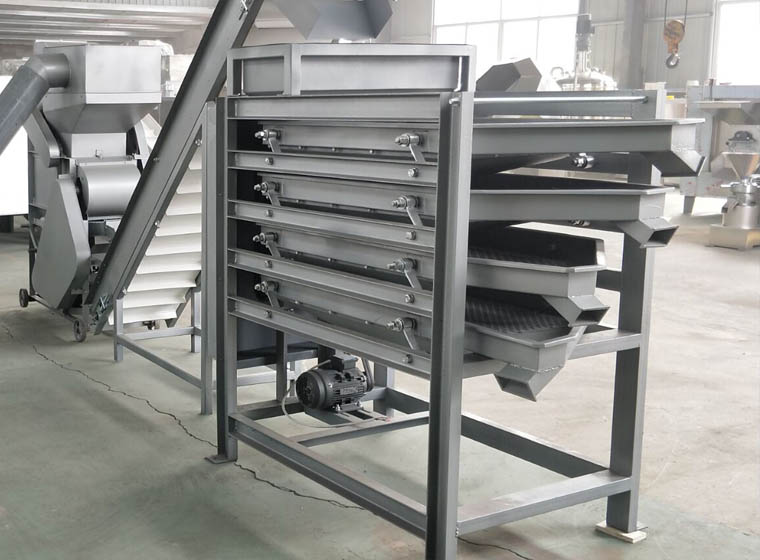
For more information on how to select, operate, or upgrade your peanut grading equipment, please consult the equipment manufacturer, which offers on-site calibration and training services. Remember: The key to damage-free screening lies not in the machine itself, but in the synergy between equipment design, operator skill, and daily maintenance.