
Due to the differences of peanut varieties, growth period, planting time and regional climate, the suitable harvesting period cannot be generalized. Peanut is a ground flowering, underground fruiting crop. The growers should determine the best harvest time, timely drying based on the ecological habits of peanuts to improve the marketability of peanuts. Based on our practical experience with the fall harvest, we usually make judgments based on the appearance of the peanut plant, the development of its pods, and local climate change.
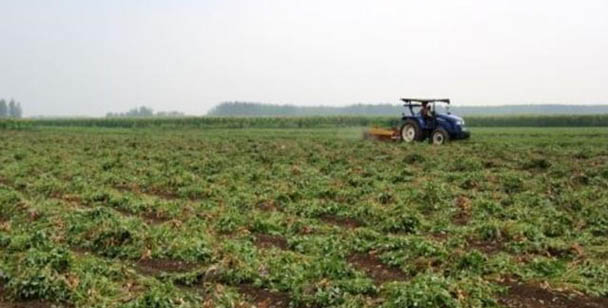
1. Look at the peanut plants on the ground. When the top of the peanut plant stops growing, the middle leaves fall off or a large number of leaves fall off, the upper leaves turn yellow, and the leaves no longer close automatically in the evening, indicating that the peanut plant has aged and has no growth ability. It’s harvest time.
2. Pull out a few peanuts. When most of the net on the pod is clear, proving that the peanut pod matures well. Then strip the peanut pod, if the seed is full and seed coat is red, indicating that the peanut has been ripe. It is generally required that the full fruit rate of early maturing varieties should be above 75%, and that of medium early maturing large fruit varieties should be above 65%.
3. Look at local climate change. According to scientific data, when the average temperature of day and night falls below 15°C, the peanut pod stops growing, delaying the harvest is meaningless. When harvesting peanuts, we usually harvest them in time according to the type of peanut, the number of days to the growing season, the aging of the peanut plant, and the maturity of peanut pods in case of sudden changes in the weather.
4. Preventing extreme climate change. In order to avoid delayed harvest due to continuous autumn rains, peanuts should be harvested in good time according to local climatic conditions. Extreme climate change is not only unfavorable to the harvest of peanuts, but also unfavorable to the drying and storage of peanuts after harvest. Because of the wet weather, peanuts are easy to germinate, mildew and other secondary disasters, causing economic losses.
Achieving high yields and premium quality in peanuts requires balancing plant senescence, pod maturity, temperature thresholds, and weather risk. Visual indicators provide the starting point; quantitative measures such as full-fruit rate, hull-scrape color, and moisture content refine the decision. The peanut harvester—whether a digger-inverter followed by a combine or a specialized system—must be adjusted to match crop conditions at the moment of harvest. By integrating agronomic indicators with equipment calibration and climate awareness, growers can prolong the effective growing period where possible, ensure full pod development, and maximize both yield and economic return.
FAQ
Q: How long is the peanut growth cycle?
A: The peanut growth cycle from planting to harvest is approximately five months for most commercial varieties, though this varies by type and region. Runner types in the Southeast may mature in about 130–140 days, while Virginia types often require 150 days or more .
Q: Is it harmful to harvest peanuts late?
A: Yes. Once average temperatures fall below 15°C, pod growth stops. Late harvest increases exposure to frost, pod loss during digging, and the risk of aflatoxin contamination from wet conditions. Over-mature pods may also detach more easily, raising digging losses.
Q: What types of peanut harvesting equipment are available?
A: The main categories are: (1) Peanut Digger, which lift and windrow plants for curing; (2) Peanut combine harvester, which pick up windrows and thresh pods from vines; and (3) Peanut harvester systems that integrate digging, soil separation, and threshing in a single pass, suitable for regions with challenging weather windows .