
With the rapid adoption of agricultural mechanization, peanut sheller machines have evolved from commercial farm equipment into practical home-use devices. Whether you grow peanuts for personal consumption, local sale, or animal feed, a reliable sheller can significantly reduce manual labor and increase daily output. However, without effective cost control and performance optimization, even the best machine can become a heavy burden. Below, we’ll outline some data-driven, field-proven strategies to help home users minimize operating costs while maximizing shelling efficiency.
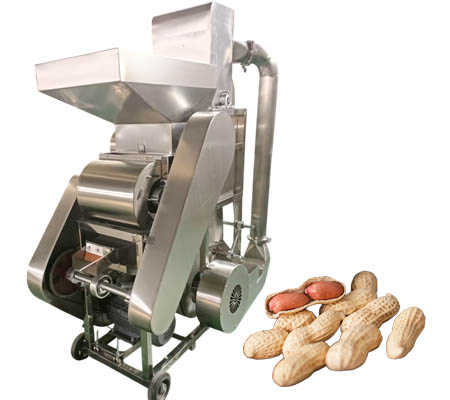
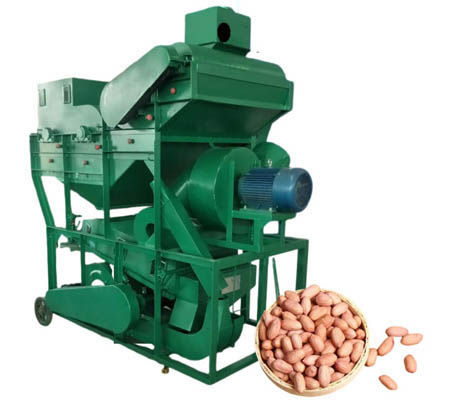
1. Choose the Right Equipment (Avoid Overinvestment)
Selecting the right peanut sheller is the most critical decision for cost control. Home users should assess their typical annual peanut yield:
- Under 200 kg/year: Compact single-phase electric or hand-crank peanut shellers (capacity: 50–80 kg/hour) offer the best value for money. Prices range from $120 to $250.
- 200–600 kg/year: Choose a medium-sized electric sheller (capacity: 150–300 kg/hour) equipped with adjustable rollers. Compared to small models, this class of machine can reduce shelling time by 60% while avoiding the high price tag of industrial-grade models, which cost over $800.
Pro Tip: Unless your annual output exceeds 500 kg, avoid choosing multifunctional machines that combine shelling, grading, and air-separation. The additional features increase upfront costs, maintenance complexity, and energy consumption, while the benefits for home use are disproportionately low.
2. Pre-Shelling Peanut Preparation (Critical for Loss Reduction)
Poor peanut quality is the primary cause of rising operating costs.
- Optimal moisture content: 8–10% (wet basis). Measure using a moisture meter; if too dry (<6%), the brittle kernels are prone to cracking; if too wet (>12%), the shells will stick to the kernels, increasing rotor torque and energy consumption by 20–30%.
- Drying Method: Sun-dry on a clean concrete floor for 2–3 days, turning the peanuts every 4 hours. Avoid rapid, high-temperature drying, as this causes the shells to shrink and results in uneven feeding.
- Pre-processing: Use a sieve (10–12 mm mesh) to remove stones, vines, and clumps of soil. Foreign objects can damage the shelling drum and increase the frequency of blade replacements.
Efficiency Improvement: Properly processed peanuts can increase the shelling rate from 85% to over 96% and reduce the need to recirculate unshelled peanut pods, thereby shortening processing time by 25%.
3. Operate correctly to reduce losses
Before using the peanut sheller, carefully read the equipment instruction manual and operate it according to the specifications. Ensure the peanuts are properly dried, as overly wet or overly dry peanuts may increase the burden on the machine, resulting in poor shelling effect or increased loss rate. In addition, regularly clean debris from the machine to avoid clogging and damage.
4. Routine Maintenance
A peanut sheller machine that is neglected will see its monthly operating efficiency decline by 1–2%. Please follow this low-cost maintenance plan:
| Frequency | Action | Cost Saved |
|---|---|---|
| After each use | Clean shelling drum and concave screen with compressed air; remove peanut dust (which absorbs moisture and causes rust). | Prevents screen clogging, which can reduce output by 40%. |
| Weekly (peak season) | Check V-belt tension (deflection ≤10 mm under thumb pressure); inspect bearings for play. | Loose belts slip, wasting 15% of motor power. |
| Monthly | Lubricate all grease nipples with high-temperature lithium grease (NLGI #2). | Bearing replacement costs $30–$60; greasing adds <$1/month. |
| Annually | Replace worn rubber-flap ejectors and check rotor balance. | Imbalanced rotors increase vibration, leading to frame cracks—repair >$100. |
5. Turning Waste into Wealth (Converting Waste into Revenue)
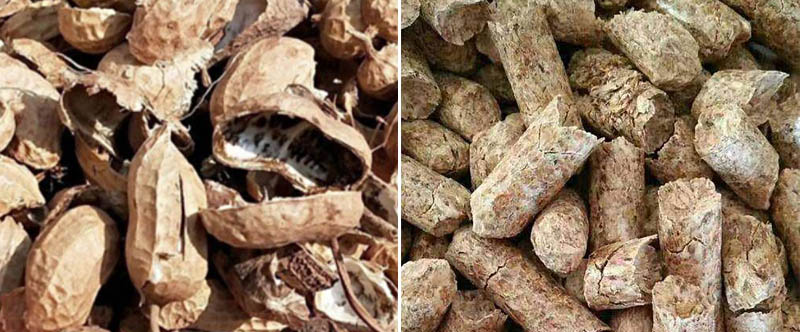
Peanut shells are not waste; they are a source of additional income. Home users can:
- Biomass Fuel: Dried peanut shells (with a calorific value of approximately 4,000 kcal/kg) can be used as a substitute for firewood or charcoal. Fifty kilograms of peanut shells can save about $8 in cooking fuel costs.
- Livestock Bedding: Peanut shells are highly absorbent and help control odors; when mixed with sawdust as bedding for chicken coops or sheep pens, they can reduce bedding costs by 40%.
- Compost Accelerator: Peanut shells have a high carbon content (carbon-to-nitrogen ratio of approximately 70:1), which helps balance nitrogen-rich kitchen scraps. Adding crushed peanut shells can speed up the composting process by 2–3 weeks.
- Use as Mulch: In some regions, clean peanut shell mulch can be sold to gardening enthusiasts for $0.10 to $0.15 per kilogram.
Conclusion
The key to controlling costs and improving efficiency when using a peanut sheller machine at home lies not in purchasing the cheapest machine, but in making wise choices, performing rigorous pretreatment, conducting regular maintenance, and creatively utilizing byproducts. By implementing the eight strategies outlined above, home users can reduce the total processing cost per kilogram of peanuts by 35% to 50%, extend the machine’s service life from 3 years to over 7 years, and transform what was once a seasonal chore into an efficient and even profitable household activity.